Article Outline
- H1: Maldives on a Budget: The Smart Traveler’s Guide to Luxury, Adventure, and Local Island Life
- H2: Why the Maldives Isn’t Just for Millionaires or Honeymooners
- H3: The Biggest Travel Myth About the Maldives
- H3: How Budget Travelers Are Exploring Paradise
- H2: What Makes the Maldives So Unique?
- H3: A Nation Built on Coral Islands
- H3: The Beauty of Living Surrounded by the Ocean
- H2: Entry Requirements and Visa Process for Americans
- H3: Visa on Arrival Explained
- H3: Documents and Travel Essentials You Need
- H2: Best Time to Visit the Maldives
- H3: Dry Season vs Rainy Season
- H3: Cheapest Months to Travel
- H2: Where to Stay in the Maldives
- H3: Luxury Resorts: Private Island Experience
- H4: Seaplanes, Overwater Villas, and All-Inclusive Packages
- H3: Local Islands: The Affordable Maldives
- H4: Why Maafushi Became a Budget Traveler Favorite
- H3: Luxury Resorts: Private Island Experience
- H2: Things to Do in the Maldives Beyond Relaxing
- H3: Snorkeling, Diving, and Swimming with Sharks
- H3: Sandbanks, Dolphins, and Glowing Beaches
- H2: Maldivian Food You Should Try
- H3: Traditional Dishes and Seafood Culture
- H2: The Smartest Way to Split Your Maldives Trip
- H3: Mixing Local Islands with Luxury Resorts
- H2: Essential Maldives Travel Tips
- H3: Packing, Internet, Water, and Cultural Rules
- H2: Conclusion
- H2: FAQs
- H2: Why the Maldives Isn’t Just for Millionaires or Honeymooners
Maldives on a Budget: The Smart Traveler’s Guide to Luxury, Adventure, and Local Island Life
Why the Maldives Isn’t Just for Millionaires or Honeymooners
For years, the Maldives has carried a reputation that scares off ordinary travelers before they even check flight prices. Most people in America picture private villas floating above crystal-clear water, celebrity honeymoons, and luxury vacations costing more than a new car. Social media helped create this image, too. Every Instagram post from the Maldives seems designed to scream “expensive.” But the truth is far more interesting—and honestly, much more exciting for travelers who know how to plan smart.
The biggest misconception about the Maldives is that it’s only for the ultra-rich. In reality, the country has transformed dramatically over the past decade. What used to be an exclusive luxury destination has opened its doors to backpackers, solo travelers, families, and adventure seekers who want tropical beauty without burning through their savings. Travelers are now discovering local islands, affordable guesthouses, cheap ferries, and activity packages that cost a fraction of traditional resort prices.
The Maldives isn’t one single island with one type of vacation. It’s a massive collection of over 1,190 coral islands spread across the Indian Ocean. That means there are experiences for every type of traveler. You can spend one part of your trip snorkeling with sea turtles on a local island for under $60 a night, then splurge for two nights in an overwater villa to enjoy the luxury side everyone dreams about. That combination is exactly what smart travelers are doing today.
What surprises most visitors is how accessible the Maldives actually feels once they arrive. The ocean is warm year-round, transportation is easier than expected, and locals are incredibly welcoming. Instead of feeling like an untouchable luxury fantasy, the Maldives becomes a real, achievable adventure. It’s the kind of place that changes your understanding of what paradise can look like when you stop chasing stereotypes and start traveling strategically.
What Makes the Maldives So Unique?
The Maldives doesn’t feel like a normal country. It feels like nature designed its own version of a dream destination. Unlike places filled with skyscrapers, highways, or crowded cities, the Maldives is almost entirely built around water. In fact, less than 1% of the country is actual land. The rest is ocean, lagoons, reefs, and endless shades of blue that honestly don’t look real until you see them with your own eyes.
The country is made up of coral formations known as atolls, giant ring-shaped reef systems scattered across the Indian Ocean southwest of Sri Lanka and India. Each island feels isolated in the best possible way. Some are tiny sandbanks with nothing but palm trees and white beaches. Others are local communities where fishermen, schools, mosques, and cafes create a peaceful island lifestyle. Then there are the luxury resort islands, where a single hotel occupies the entire island itself.
That unique geography changes the entire travel experience. You’re not visiting the Maldives to rush between museums or crowded tourist attractions. You go there to disconnect from noise. The water becomes part of everyday life. You wake up hearing waves, walk barefoot most of the day, and spend your afternoons watching the ocean change color with the sunlight. It’s incredibly calming, especially for Americans used to constant movement, traffic, and digital overload.
Marine life is another reason the Maldives stands out globally. The coral reefs are home to sea turtles, manta rays, reef sharks, tropical fish, dolphins, and countless underwater species. Even beginner snorkelers can experience scenes that look straight out of a nature documentary. You don’t need expensive diving certifications to enjoy the ocean either. In many areas, the reefs are just steps away from the beach.
There’s also something emotionally different about the Maldives. The silence there feels rare. At night, instead of hearing sirens or crowds, you hear waves and wind. The islands force you to slow down. That’s why many travelers leave saying the Maldives wasn’t just beautiful—it felt therapeutic.
Entry Requirements and Visa Process for Americans
One of the best things about traveling to the Maldives is how easy the entry process is for American travelers. Unlike destinations that require complicated embassy appointments, long paperwork, or stressful visa interviews, the Maldives keeps things refreshingly simple. If you hold a valid U.S. passport, you can receive a free 30-day visa on arrival when landing at Velana International Airport in Malé.
That means no pre-approval headaches and no expensive visa applications before your trip. Travelers simply need a passport valid for at least six months, proof of onward travel, and confirmed accommodation bookings. Immigration officers may also ask for proof of sufficient funds, though most tourists easily satisfy this requirement with credit cards or bank statements.
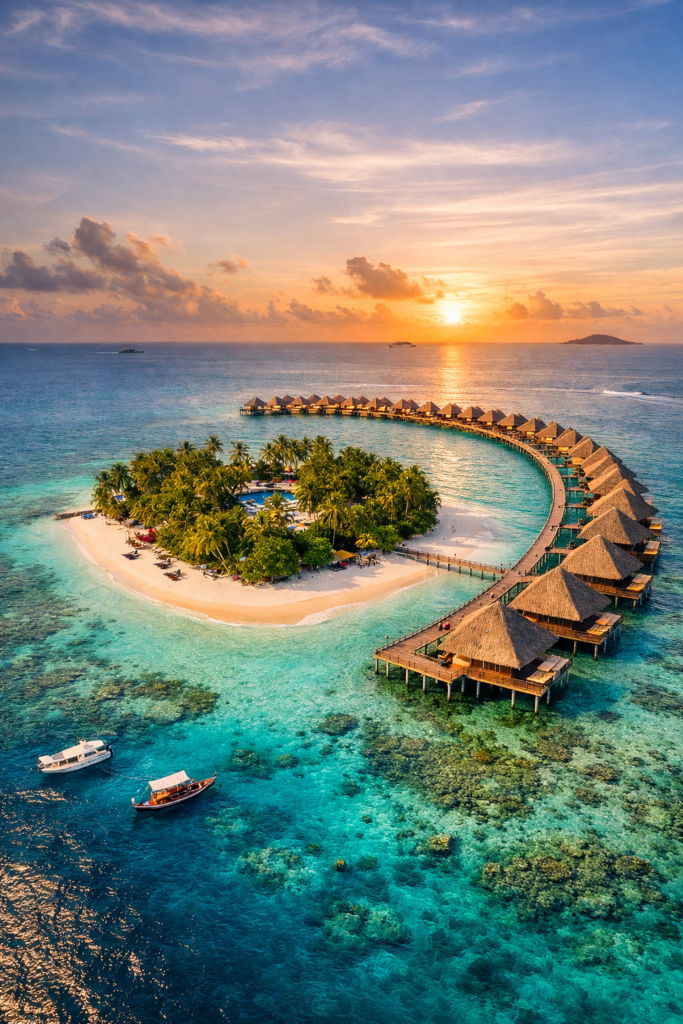
The airport experience itself is surprisingly smooth, considering how remote the country looks on a map. Once you land, the tropical atmosphere hits immediately. Warm ocean air, turquoise water visible from the terminal, and speedboats waiting outside create an unforgettable first impression. From there, travelers transfer to local islands or resorts by ferry, speedboat, or seaplane, depending on their destination.
Transportation is actually part of the adventure. Seaplane transfers are famous worldwide because they provide breathtaking aerial views of the islands and coral reefs below. Yes, they’re expensive—often costing between $300 and $500 round trip—but many travelers consider the flight itself part of the Maldives experience.
For budget-conscious travelers, public ferries and speedboats are the smarter option. Ferries are extremely affordable, often just a few dollars, while speedboats balance convenience with reasonable pricing. This flexibility allows visitors to customize their travel style depending on their budget.
Another important thing Americans should know is that the Maldives is a Muslim-majority country with conservative cultural values, especially on local islands. Resorts operate differently and are more relaxed, but visitors staying among locals should dress respectfully in public spaces. Understanding and respecting local customs goes a long way toward having a positive experience.
Best Time to Visit the Maldives
The Maldives is one of those destinations people assume has perfect weather every single day. While temperatures remain warm year-round, there are definitely smarter times to visit depending on your budget, travel goals, and tolerance for occasional rain. Understanding the seasons can save travelers hundreds—sometimes thousands—of dollars.
The dry season runs from November through April, and this is considered peak tourist season. During these months, skies stay clear, humidity drops slightly, and the ocean becomes incredibly calm. It’s ideal for snorkeling, diving, luxury vacations, and postcard-perfect beach days. Naturally, this is when prices skyrocket. Resorts charge premium rates, flights become more expensive, and popular islands fill up quickly.
The rainy season, which lasts roughly from May through October, sounds scarier than it actually is. Many first-time visitors imagine nonstop storms ruining their vacation, but tropical rain in the Maldives usually arrives in short bursts. A heavy shower may last 30 minutes before the sun returns as if nothing happened. The upside? Massive savings.
Hotels often slash prices by nearly 50% during the wet season. Budget travelers can suddenly afford properties that would normally feel impossible during peak months. Flights from the United States also become significantly cheaper during shoulder-season periods like May, September, and October.
For many experienced travelers, these shoulder months are the sweet spot. You still get warm water, beautiful scenery, and plenty of sunshine while avoiding both crowds and outrageous prices. It’s one of the smartest travel hacks for visiting the Maldives affordably.
Ocean conditions also influence activities. Divers often prefer certain seasons because manta rays and whale sharks appear more frequently in different regions depending on currents and plankton movement. Surfing enthusiasts also target specific months for better waves, especially around islands like Thulusdhoo.
The key takeaway is simple: there’s really no “bad” time to visit the Maldives. There’s only the expensive version and the smarter-budget version. Travelers
willing to accept a few tropical rain showers can unlock incredible deals while still experiencing one of the world’s most stunning destinations
Where to Stay in the Maldives
Choosing where to stay in the Maldives is the single biggest decision that shapes both your experience and your budget. Most travelers think they only have one option: luxury resorts with overwater villas. While those resorts absolutely exist—and yes, they’re breathtaking—they’re only one side of the Maldives story. The real secret is understanding the difference between private resort islands and local islands because that difference can literally save you thousands of dollars.
Luxury Resorts: Private Island Experience
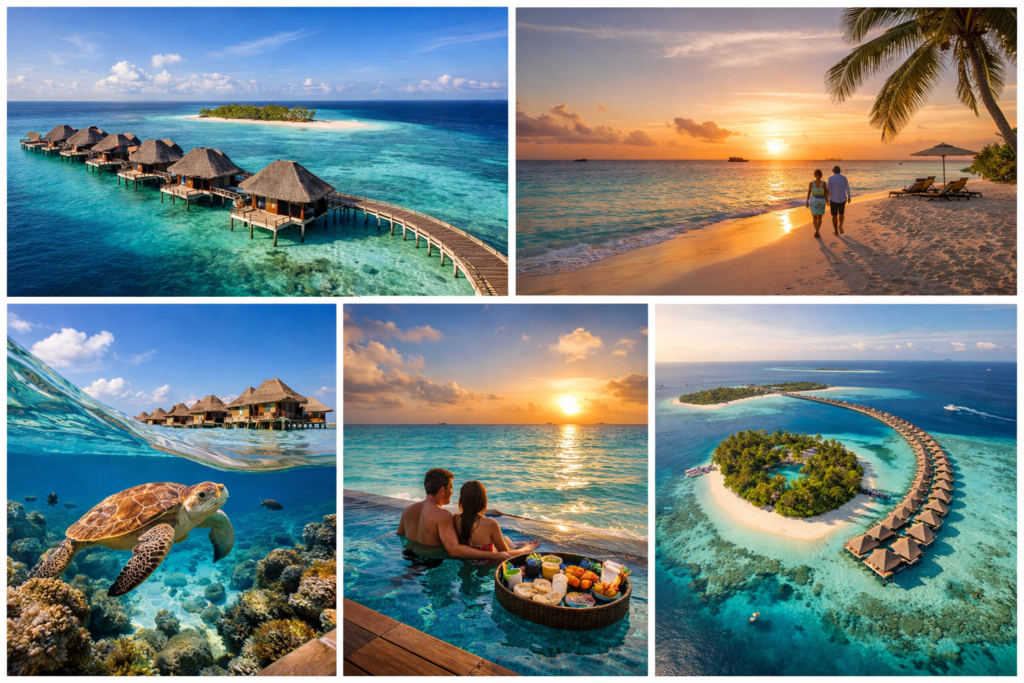
The luxury resorts in the Maldives are exactly as magical as the photos suggest. Imagine arriving on a private island where the entire place feels like it was built for relaxation. No traffic. No crowds. No noise. Just turquoise lagoons, soft white sand, palm trees swaying in the breeze, and villas floating above crystal-clear water. These resorts are designed to create the feeling that you’ve escaped the real world completely.
Most luxury resorts offer incredible amenities like infinity pools, underwater restaurants, spas, sunset cruises, and private snorkeling areas. The overwater villas are the star attraction because they let you wake up and jump directly into the ocean from your room. It’s the kind of experience people dream about for years. For honeymooners, anniversaries, or once-in-a-lifetime trips, it’s hard to beat.
But here’s where travelers get surprised: the room price isn’t the only expense. Transportation to the resort can become extremely expensive. Some islands require speedboat transfers from Malé, while others need seaplane flights that cost hundreds of dollars per person. Food is another major expense because these islands are isolated. There are no nearby restaurants or grocery stores. Everything must be purchased directly from the resort.
Seaplanes, Overwater Villas, and All-Inclusive Packages
If you decide to stay at a resort, booking an all-inclusive package is one of the smartest moves you can make. Paying upfront for meals and drinks prevents shocking restaurant bills later. A simple lunch at a luxury resort can easily cost $40 or more, while dinner for two might feel like paying for a fine-dining experience in New York or Los Angeles.
Seaplane transfers are expensive but unforgettable. Flying above the Indian Ocean while looking down at tiny coral islands scattered across electric-blue water feels almost unreal. Many travelers describe the seaplane ride as one of the highlights of the entire trip.
Still, travelers don’t need to spend their entire vacation inside luxury resorts to experience paradise. That’s where local islands completely change the game.
Reading topics: Amazing Travel Destination
Local Islands: The Affordable Maldives
Local islands are the reason budget travelers can now experience the Maldives without millionaire-level bank accounts. These islands are home to real Maldivian communities, which means visitors get something resorts can’t offer: authentic culture. You see schools, fishing boats, local cafes, mosques, small shops, and daily island life unfolding naturally around you.
The biggest advantage is price. Guesthouses on local islands often start around $50 to $80 per night, compared to luxury resorts that can easily exceed $1,000 nightly. Food is dramatically cheaper, too. Instead of paying resort prices, travelers can eat fresh seafood meals at local restaurants for a fraction of the cost.
One of the most famous local islands is Maafushi, which has become the center of budget tourism in the Maldives. It offers hotels, diving centers, excursion companies, cafes, and organized tours at reasonable prices. Travelers can book snorkeling trips, dolphin cruises, sandbank picnics, fishing trips, and scuba diving adventures directly from the island.
Why Maafushi Became a Budget Traveler Favorite
Maafushi became popular because it offers balance. It’s affordable, easy to reach from Malé by speedboat or ferry, and packed with activities. Travelers can enjoy beautiful beaches without feeling isolated or financially trapped. There’s also a social atmosphere there, making it easier for solo travelers to meet people from around the world.
That said, visitors should remember that local islands follow Islamic cultural traditions. Alcohol is prohibited on inhabited islands, and public dress codes are more conservative than at resorts. Most tourist beaches have designated “bikini beaches” where swimwear is allowed, but respecting local customs is extremely important.
What many travelers love most about local islands is the feeling of connection. Instead of staying inside a luxury bubble, you interact with locals, support small businesses, and experience the Maldives beyond Instagram photos. For many people, that authenticity becomes the most memorable part of the journey.
Things to Do in the Maldives Beyond Relaxing
People who say the Maldives is “boring” usually make one mistake: they treat it like a place to only sit on the beach. Yes, relaxing is a huge part of the experience, but the Maldives is also one of the best adventure destinations in the world—especially for ocean lovers. The activities there feel less like tourist attractions and more like stepping inside a National Geographic documentary.
Snorkeling, Diving, and Swimming with Sharks
The underwater world in the Maldives is the main event. Even travelers who’ve never snorkeled before quickly become obsessed after seeing the reefs. The water is incredibly clear, often with visibility exceeding 80 feet. You can swim alongside colorful tropical fish, giant sea turtles, stingrays, and vibrant coral formations that look hand-painted by nature itself.
Snorkeling is affordable and accessible almost everywhere. Many local island tours include snorkeling stops as part of day excursions, making it easy for beginners to experience marine life safely. For certified divers, the Maldives is considered one of the best diving destinations on Earth. Dive sites feature caves, reef walls, shipwrecks, and massive schools of fish.
One of the most unforgettable experiences is swimming with reef sharks. Despite the scary name, reef sharks in the Maldives are generally harmless to humans. Watching them glide gracefully through the water nearby is thrilling rather than terrifying. It’s the kind of adrenaline rush that stays in your memory forever.
Manta rays are another highlight. These giant creatures move through the water with almost unreal elegance. Seeing one up close feels less like watching a fish and more like encountering an alien spacecraft underwater. During certain seasons, travelers can join guided tours specifically designed to find manta rays or whale sharks.
Sandbanks, Dolphins, and Glowing Beaches
One of the most iconic Maldives experiences is visiting a sandbank. These tiny stretches of white sand sit isolated in the middle of the ocean, surrounded by endless shades of turquoise water. Some are barely large enough for a few umbrellas. Standing there feels surreal, almost like being stranded in the most beautiful place on Earth.
Most sandbank tours include lunch, snorkeling, and plenty of time for photos. They’re incredibly popular because they capture the fantasy that travelers imagine when dreaming about the Maldives.
Sunset dolphin cruises are another must-do activity. As the sky turns orange and pink, boats head into open water searching for pods of dolphins. When they appear, they often swim alongside the boat, jumping through the waves as the sun disappears into the horizon. It’s peaceful, cinematic, and surprisingly emotional.
Then there’s the famous bioluminescent beach phenomenon, often called the “Sea of Stars.” Tiny marine organisms glow blue when disturbed by waves at night, creating the illusion that the shoreline is sparkling with neon lights. It doesn’t happen every night or on every island, but if you’re lucky enough to witness it, it becomes one of those travel moments you never stop talking about.
Night fishing trips also offer a completely different side of island life. Local guides take visitors into the ocean with traditional hand lines, and the fish caught are sometimes grilled fresh for dinner afterward. It’s simple, authentic, and deeply connected to Maldivian culture.
Reading topics: Why It’s the Perfect Month to Explore the World
Maldivian Food You Should Try
Food in the Maldives often surprises travelers because it’s heavily influenced by the ocean. Seafood dominates the local cuisine, especially tuna, which is a central part of daily life across the islands. Coconut, rice, chili peppers, and tropical fruits also appear constantly in traditional dishes.
If you stay at luxury resorts, you’ll find international cuisine everywhere—Italian, Japanese, Indian, Mediterranean, American burgers, sushi, and giant buffet spreads. But travelers staying on local islands should absolutely try authentic Maldivian food because it offers a completely different experience.
One of the most famous breakfast dishes is Mas Huni, a mixture of shredded tuna, coconut, onions, chili, and lime served with flatbread called roshi. It sounds simple, but the flavors work together beautifully. Fresh tuna in the Maldives tastes completely different from canned tuna Americans are used to.
Fish curry is another staple. Rich coconut-based sauces mixed with spices create comforting meals usually served with rice. Many island restaurants serve incredibly fresh seafood because local fishermen bring in catches daily. Grilled fish, spicy curries, and coconut-based snacks dominate menus across inhabited islands.
Fresh coconut water is everywhere, and drinking it directly from the coconut while sitting on the beach somehow feels mandatory in the Maldives. Tropical fruits like papaya, mango, and banana are also common.
Travelers should know that alcohol rules vary dramatically depending on where they stay. Resorts serve alcohol freely, but local islands generally prohibit it due to religious laws. Some nearby “floating bars” cater to tourists staying on local islands, but respecting local customs is essential.
The food scene in the Maldives isn’t about fancy culinary innovation. It’s about freshness. Fish caught that morning, coconuts harvested nearby, and meals prepared slowly while ocean breezes move through open-air cafes create an atmosphere that feels deeply relaxing.
The Smartest Way to Split Your Maldives Trip
The smartest travel strategy for the Maldives isn’t choosing between luxury and budget—it’s combining both. This is the secret experienced travelers use to enjoy the full Maldives experience without destroying their savings account.
Instead of spending an entire week inside an expensive resort, split the trip into two parts. Spend the first several days on a local island like Maafushi, where hotels, food, and excursions are affordable. Use those days for activities: snorkeling, diving, dolphin cruises, sandbank trips, fishing, and exploring local culture.
This approach keeps costs manageable because most excursions are significantly cheaper from local islands than from luxury resorts. You stay active, adventurous, and immersed in authentic island life while saving serious money.
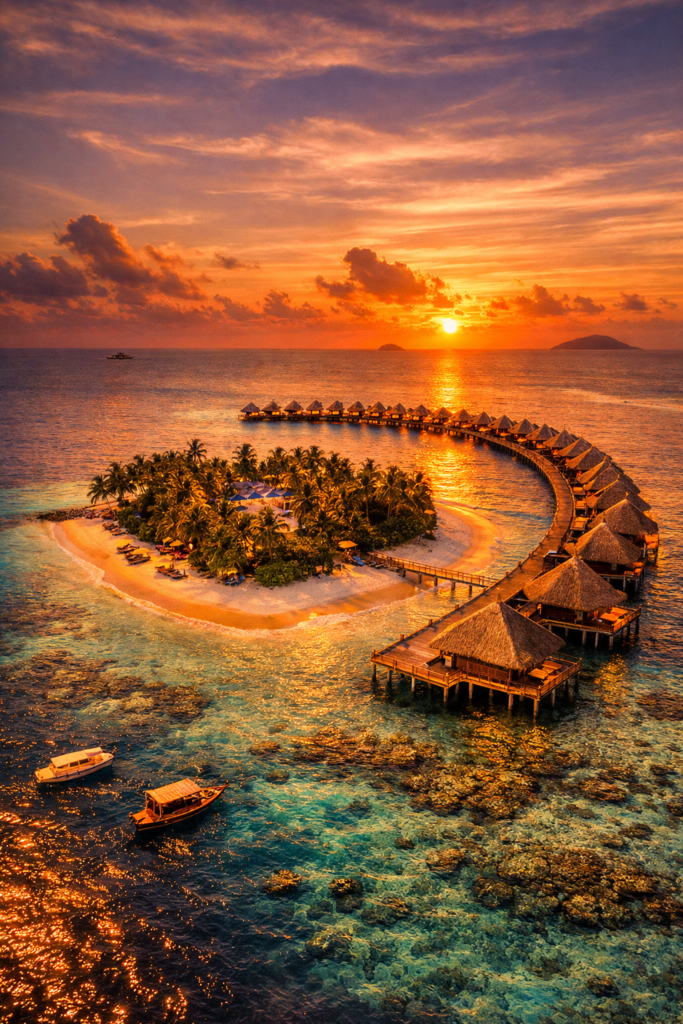
Then, for the final two or three nights, move to a luxury resort. By that point, your adventure cravings are already satisfied. The resort portion becomes pure relaxation. You can slow down, enjoy the overwater villa, watch sunsets, order room service, and experience the luxurious side of the Maldives without paying luxury prices for an entire week.
Psychologically, this combination works perfectly. Travelers avoid feeling financially stressed while still experiencing the iconic side of the Maldives they came for. It creates balance between excitement and comfort, culture and luxury, exploration and relaxation.
Many travelers discover that this mixed approach actually creates a richer vacation overall. Instead of only seeing curated resort life, they experience the real Maldives too—the people, the culture, the local food, and the rhythm of island communities.
Reading topics: What Is the 5-4-3-2-1 Rule for Travel?
Essential Maldives Travel Tips
Packing for the Maldives is easier than people expect because island life is extremely casual. Lightweight clothes, swimsuits, flip-flops, sunglasses, and breathable fabrics are all you really need. Heavy luggage becomes inconvenient, especially for seaplane transfers where baggage limits are strict.
Sunscreen is essential because the tropical sun is intense even on cloudy days. Travelers should try using reef-safe sunscreen to protect marine ecosystems. Coral reefs in the Maldives are environmentally sensitive, and responsible tourism matters greatly there.
Water costs can surprise visitors inside resorts. Many hotels provide complimentary bottles daily, but additional bottled water may be expensive. Travelers staying on local islands can buy water cheaply from small stores instead.
Internet access exists throughout most tourist areas, but speeds vary depending on the island and hotel. Many visitors purchase local SIM cards at the airport from providers like Ooredoo for reliable mobile data during their trip.
One of the most important rules: never take coral, shells, or sand home from the Maldives. Removing natural items is illegal and environmentally damaging. Customs penalties can be severe, and protecting the islands’ fragile ecosystem should matter to every visitor.
Respecting local culture is equally important. The Maldives may look like a carefree beach paradise, but local communities remain conservative and deeply connected to Islamic traditions. Modest clothing outside tourist beach zones helps visitors avoid unintentionally offending residents.
Finally, don’t overschedule your trip. The Maldives works best when travelers leave space for spontaneity. Some of the best moments happen unexpectedly: spotting dolphins from a ferry, watching storms pass across the ocean, or sitting silently on the beach while the sky changes colors at sunset.
Conclusion
The Maldives isn’t just a destination for celebrities, influencers, or luxury honeymooners anymore. It has quietly become one of the smartest tropical destinations for travelers who know how to plan strategically. Between affordable local islands, budget-friendly guesthouses, public ferries, and flexible travel seasons, paradise is far more accessible than most people realize.
What makes the Maldives unforgettable isn’t just the beauty—it’s the feeling. The silence of the ocean, the warmth of the water, the simplicity of island life, and the connection to nature create a kind of peace many travelers haven’t felt in years. Whether you choose luxury resorts, local islands, or a combination of both, the Maldives offers experiences that stay with you long after the flight home.
For American travelers searching for a destination that combines adventure, relaxation, culture, and world-class scenery, the Maldives delivers something rare: a place that actually lives up to the fantasy.
FAQs
1. Is the Maldives expensive for American travelers?
The Maldives can be luxurious or surprisingly affordable, depending on how you travel. Staying on local islands instead of private resorts dramatically reduces accommodation and food costs.
2. How many days are enough for the Maldives?
Most travelers find that 6 to 8 days provides enough time to enjoy both local island adventures and resort relaxation without feeling rushed.
3. Can you visit the Maldives without staying in a resort?
Yes. Local islands like Maafushi, Thulusdhoo, and Dhigurah offer affordable guesthouses, restaurants, beaches, and excursions for budget travelers.
4. Is the Maldives safe for solo travelers?
The Maldives is considered very safe for tourists, including solo travelers. Local communities are welcoming, and violent crime rates remain low in tourist areas.
5. What is the cheapest month to visit the Maldives?
May, September, and October are often the cheapest months because they fall within the rainy season, when hotels and flights usually offer major discounts.
